- Pixel Lineage early game runs are about learning encounter patterns, not maximizing damage.
- Turn-based combat rewards reading threats and controlling action order over aggression.
- Reward choices should patch your run's weaknesses instead of chasing the strongest option.
- Death is progression: each failed run teaches patterns for the next attempt.
- Keep recovery resources in reserve until combat fully ends.
Pixel Lineage Early Game Fundamentals
Pixel Lineage is a challenging turn-based roguelike RPG on Roblox, inspired by games like Terraria, with pixel-art dungeons, randomized runs, and weekly updates. The early game is where most new players lose runs unnecessarily, because the game punishes treating every encounter like a damage race.
Before your first serious attempt, understand the core loop:
| Game System | What It Does | Early Game Priority |
|---|---|---|
| Exploration | Moves you through encounters and route choices | Check side paths for missed rewards |
| Turn-Based Combat | Sequential actions against enemy groups | Read threats before attacking |
| Random Events | Unexpected situations that alter the run | Weigh risk against current resources |
| Rewards | Upgrades and items that shape the run | Fix weaknesses, not just add power |
| Roguelike Loop | Death ends the run; restart with new knowledge | Track what killed you |
Video Highlights:
- Official trailer showing the pixel-art dungeon atmosphere
- Turn-based encounter flow and roguelike structure
- Dark fantasy visual style and combat pacing
For the latest codes and announcements, the official Pixel Lineage Roblox page and the official Discord are the primary channels — the game unlocks code redemption through joining the Roblox group, liking, and favoriting.
Pixel Lineage is explicitly a high-difficulty game. Expect to lose early runs. Treat the first several attempts as learning passes, not failures.
Turn-Based Combat for New Players
Combat is where early runs are won or lost. The safest mindset is to treat every encounter as a resource-management problem rather than a damage contest.
Read the battlefield before attacking
Check enemy health, visible status effects, attack patterns, and turn order. Mark enemies that can knock out a weakened character, disable your actions, or hit the whole party.
Control action order
Prioritize actions that prevent the next dangerous attack. A stun, debuff, heal, or defensive skill is often worth more than the largest hit available.
Choose attack versus defense deliberately
Attack when you control the encounter; defend or recover when the enemy is about to make a high-impact move. Heal before a character reaches critical health.
Spend skills around milestones
Save high-cost or long-cooldown abilities for moments that change the fight: removing a priority target, surviving a phase, or securing a finishing window.
Finish safely
Once the main threat is gone, stop taking risks. Clear leftovers with basic actions and restore the party before moving forward.
| Common Mistake | Why It Fails | Better Habit |
|---|---|---|
| Focusing only on highest-HP enemy | Support or control enemies stay active | Remove the most dangerous threat first |
| Using every action for damage | One defensive turn could prevent a knockout | Heal or defend when a big hit is coming |
| Spending major skills early | You enter the next phase empty | Reserve burst for finishing windows |
| Winning at critical health | Next room starts you weakened | End fights at safe health with recovery left |
When only a harmless enemy remains, use the leftover turns to stabilize health, check cooldowns, and prepare — instead of dumping unnecessary burst skills.
Reward Choices and Early Builds
Reward selection defines your early game more than any single combat decision. A balanced, forgiving setup consistently outperforms a fragile glass-cannon approach for first runs.
Balanced Approach (Recommended)
- Tier A reliability for first runs
- Mix of damage, defense, and recovery
- Reduces risk from bad matchups
Aggressive Damage Focus
- Shortens routine encounters
- Tier B: less reliable when threats are unpredictable
- Best for players who already know enemy patterns
Resource-First Strategy
- Tier S consistency on hard runs
- Preserves recovery and utility options
- Adapts to whatever encounter comes next
When choosing among rewards, ask these questions in order:
| Question | Good Answer | Bad Answer |
|---|---|---|
| Does this fix a current weakness? | Yes — missing recovery or defense | No — adds redundant damage |
| Is it useful in multiple encounters? | Broad, reliable effect | Narrow single-purpose effect |
| Do I need it right now? | Next encounters demand it | "It looks strong" alone |
| Is it replaceable later? | Scarce progression material kept | Rare item spent on routine fights |
Hold scarce upgrade materials and premium consumables until their purpose is clear. Early spending can delay a permanent upgrade or leave you empty before a boss or event encounter.
Items: What to Keep and What to Spend
Early resources are limited, so misallocating them is the most common way new players stall. Use this priority table before spending anything.
| Item Category | Use | Keep or Spend | Priority |
|---|---|---|---|
| Core equipment | Better offense/defense stats | Keep clear upgrades; replace only when better | High |
| Recovery consumables | Restore health between turns | Keep a reserve; don't drain on routine fights | High |
| Combat utility items | Temporary damage, defense, resistance | Keep for situational encounters | Medium |
| Progression rewards | Permanent upgrades | Keep by default — hard to replace | High |
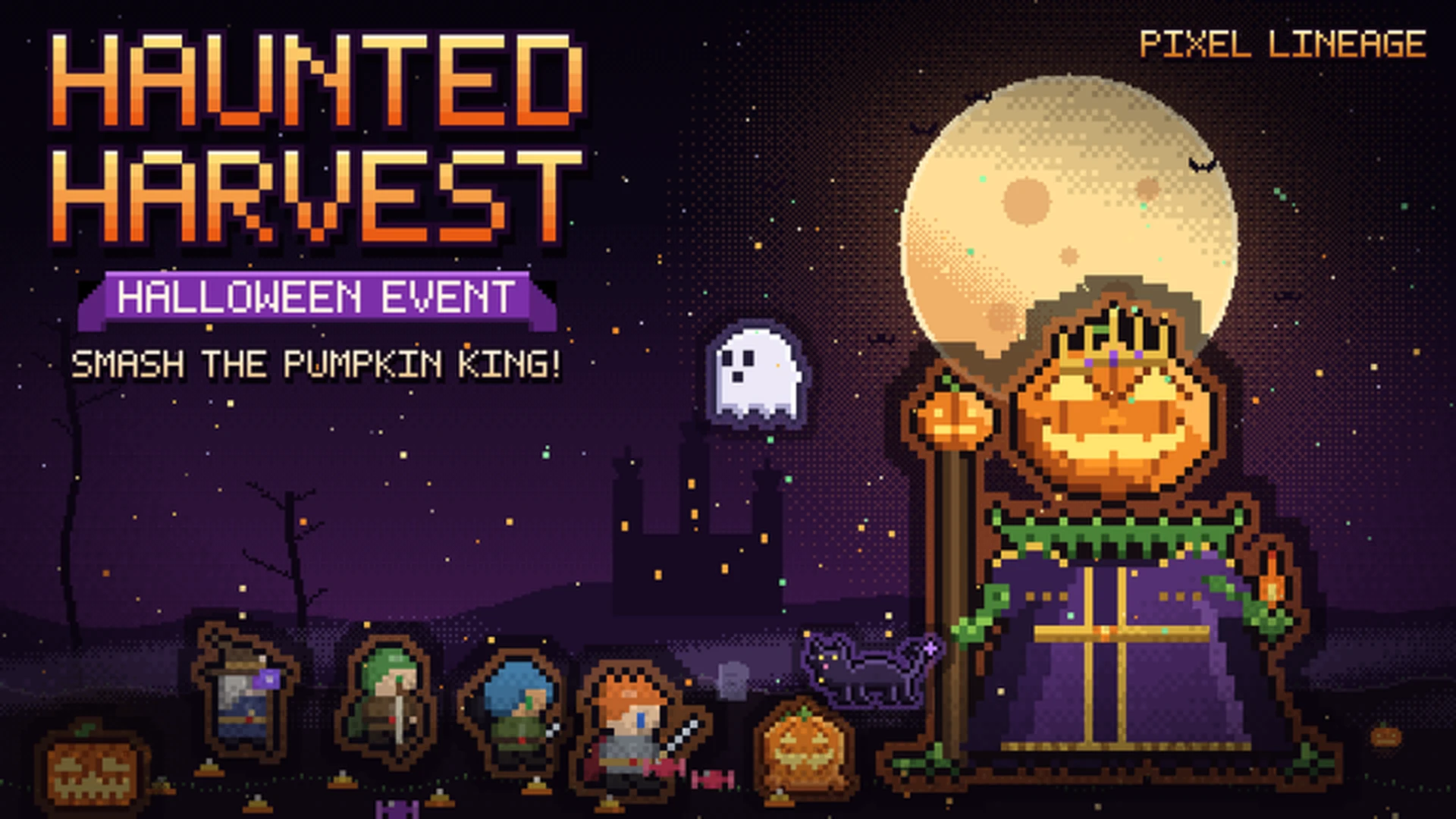
| Event loot | Limited-time Halloween content | Keep unique rewards; verify use first | Medium-High |
Enter boss encounters with full health, recovery consumables in your inventory, and a plan for the boss's strongest turn. Bosses reward timing and survivability, not repeated maximum-damage actions.
Exploration Habits and Secrets
The most useful "secrets" in Pixel Lineage are repeatable habits, not one-time tricks. Players who sweep areas methodically find significantly more value per run.
- Inspect every accessible area: side paths, corners, and visually distinct spots commonly hide rewards, shortcuts, or encounter triggers.
- Revisit areas after major progression: new abilities and upgrades can unlock previously blocked paths.
- Treat Halloween content as a separate route: event encounters may use different enemies, pacing, and rewards than ordinary battles.
- Track missed interactions: keep a mental checklist of locked doors and unexplored branches, then review it after each major upgrade.
First Run Goals:
- Understand turn order and threat identification
- Complete a full exploration sweep of each area
- Keep a recovery reserve through every encounter
- Record what ended the run and adjust the next attempt
- Check the official Discord for weekly update notes
Death ends the attempt, not your progress as a player. Each failed run teaches encounter patterns, reward valuation, and the cost of risky choices — restart with a revised plan instead of repeating the same decisions.
Early Game FAQ
Q: Is Pixel Lineage too hard for new players?
It is deliberately challenging, but the early game becomes manageable once you treat combat as resource management. Read threats, control action order, and keep recovery options available, and most early losses become avoidable.
Q: What is the best early game build approach?
A balanced approach is the most reliable choice for first runs. It reduces the risk of losing to a single bad matchup while maintaining steady progress, and it outperforms aggressive damage-focused setups when you don't yet know enemy patterns.
Q: Should I spend rare resources early to get stronger?
No. Hold scarce upgrade materials and premium consumables until their purpose is clear. Early spending can delay a permanent upgrade or leave you without resources for a boss or event encounter.
Q: Where do I find Pixel Lineage codes and updates?
The official Roblox game page and the official Discord are the primary channels for codes and announcements. Code redemption is unlocked by joining the Roblox group, liking, and favoriting the game, and the developers follow a weekly update schedule.