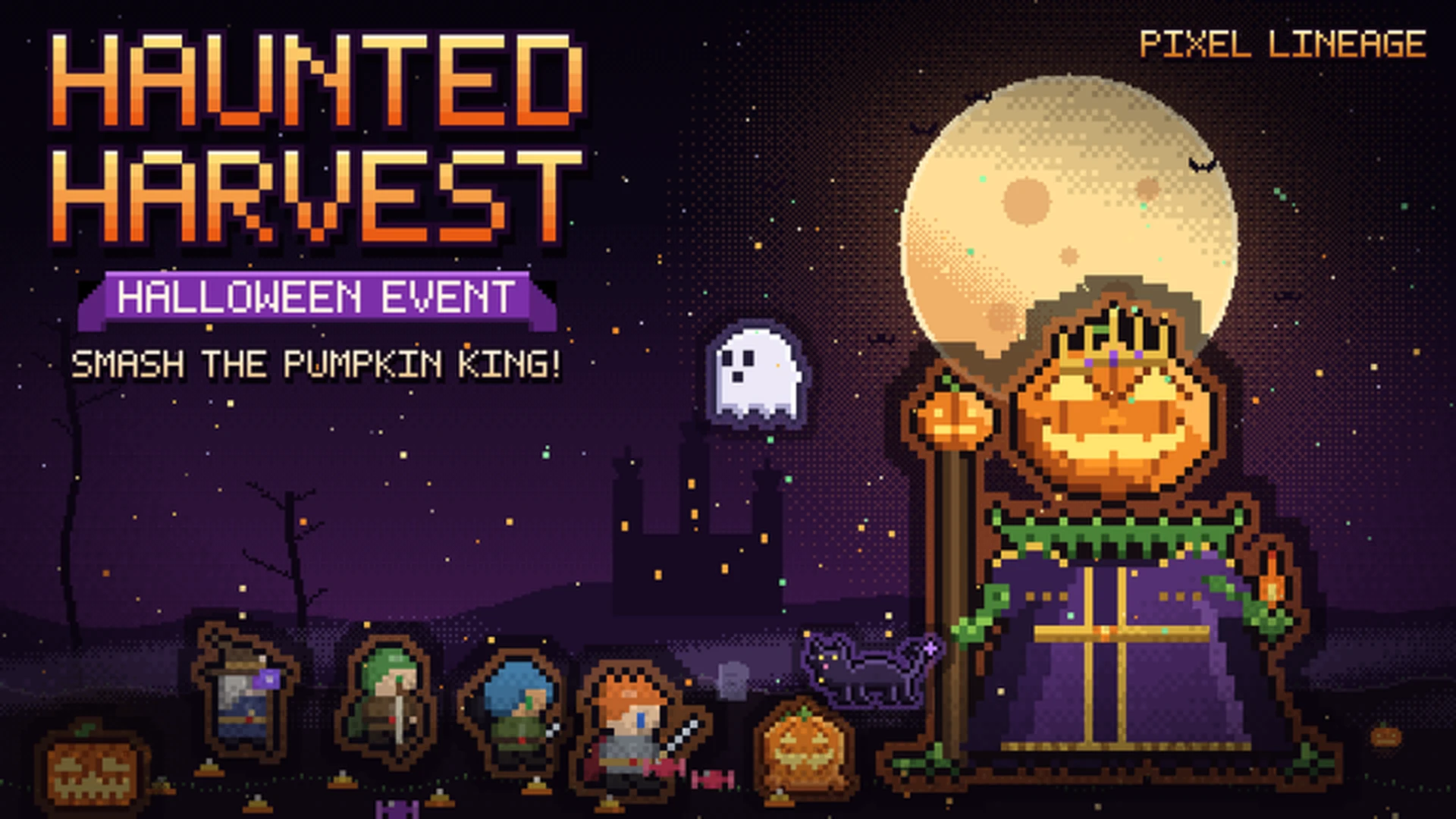
- Pixel Lineage difficulty comes from punishing turn-based encounters and roguelike randomness, not fast reflexes.
- Resource discipline is the single biggest factor separating successful runs from early deaths.
- Defensive turns are not wasted turns — surviving a boss's strongest action matters more than maximizing damage.
- Plan around phase transitions and keep at least one recovery option available at all times.
- Death is part of progression: review what ended the run and adjust the next attempt.
Why Pixel Lineage Feels So Hard
Pixel Lineage is a Roblox turn-based roguelike RPG with pixel-art dungeons, randomized runs, and — by the developer's own description — noticeably high difficulty. The challenge does not come from twitch mechanics. It comes from making the wrong decision two or three encounters before the run actually ends. A wasted recovery item in room one becomes a missing heal during the boss fight in room five.
Understanding where the difficulty actually lives is the first step to beating it.
| Difficulty Source | What It Looks Like | How to Respond |
|---|---|---|
| Randomized encounters | Enemy groups and events change every run | Never rely on a memorized script; read each fight fresh |
| Turn-order pressure | Dangerous enemies act before you can stabilize | Control or eliminate the highest-threat target first |
| Limited resources | Recovery items and skill uses are scarce | Reserve rare resources for genuine progression walls |
| Boss phase changes | Attack patterns shift mid-fight, often with damage spikes | Save burst skills for confirmed windows, not openings |
| Event uncertainty | Random events can weaken or strengthen the run | Weigh payoff against current resource risk |
Most failed runs are not lost to a single overwhelming enemy. They are lost to a chain of small inefficiencies: overspending skills on routine fights, entering the next room at low health, and having no recovery option when the real threat appears.
Combat Tactics for Difficult Fights
Because every encounter is turn-based, difficulty is really a decision-making test. The safest approach treats each battle as a resource-management problem rather than a damage race.
Turn-by-Turn Priorities
| Situation | Recommended Action | Common Mistake |
|---|---|---|
| Unknown enemy group | Scan threats, status effects, and action order first | Attacking the highest-health target immediately |
| Dangerous enemy about to act | Defend, heal, or apply control | Spending every action on damage |
| Enemy near defeat | Finish it instead of spreading damage | Chip-damaging multiple enemies |
| Multiple allies damaged | Stabilize before committing major skills | Ignoring critical health until a knockout |
| Victory nearly secure | Recover and review cooldowns before advancing | Burning burst skills on a beaten enemy |
Threat First
- Identify the enemy that can end the fight against you
- Control or remove supports that amplify allies
- Ignore raw health pools when choosing targets
Spend Around Milestones
- Low-cost abilities for routine enemies
- Burst damage only for clear finishing windows
- Keep one emergency recovery option untouched
Control the Ending
- Use the last harmless enemy as a recovery window
- Restore health and review cooldowns
- Enter the next encounter prepared, not weakened
Defense is a tool, not a consolation prize. When a boss or elite is about to perform its strongest action and nothing can be safely eliminated, a defensive turn that prevents a knockout is worth more than any damage number on the screen.
Step-by-Step: Running a Hard Route
Read the battlefield before attacking
Check enemy health, visible status effects, attack patterns, and the order in which combatants will act. Mark enemies that can defeat a weakened character, disable your party, or deal damage to everyone at once.
Control action order
Prioritize actions that prevent the next dangerous attack. A stun, debuff, heal, or defensive skill can be more valuable than the largest possible hit. Act before dangerous enemies whenever possible.
Choose attack versus defense deliberately
Attack when you control the encounter; defend or recover when the enemy is about to perform a high-impact action. Heal before a character reaches critical health rather than after.
Manage boss phase transitions
Keep major skills available when a boss is close to changing behavior. Finish safe targets before triggering the transition, apply defenses beforehand, and confirm the new pattern before committing burst damage.
Finish safely and prepare for the next room
Once the main threat is gone, stop taking risks. Clear leftovers with basic actions, restore the party, and verify health, cooldowns, and consumables before moving forward.
Do not enter the next encounter with low health and no recovery resources. If that means spending one extra turn stabilizing, spend it — a slower clear that survives beats a fast clear that dies in the following room.
Resource and Reward Discipline
Difficulty in a roguelike is amplified by wasted resources. Reward choices, consumables, and upgrade materials should all serve the current run's weaknesses.
Resource Priority Table
| Resource Type | Priority | When to Spend | When to Hold |
|---|---|---|---|
| Recovery consumables | High | Boss attempts, event encounters, bad turn order | Ordinary fights you can win safely |
| Core equipment upgrades | High | When a clear stat improvement is available | Never hold a strictly better upgrade |
| Combat utility items | Medium | Boss phases, elite enemies, unusual mechanics | Routine encounters |
| Progression materials | High | Confirmed milestone upgrades | Whenever the intended use is uncertain |
| Event loot | Medium-High | Event objectives and limited-time upgrades | Do not discard unique items before verifying use |
Early overspending on scarce materials or premium consumables can delay a permanent upgrade or leave you without enough resources for a boss or event encounter. Use ordinary resources for routine fights and reserve the rare ones for progression walls.
When selecting rewards mid-run, a reliable defensive or resource-oriented option is usually more valuable than a stronger but narrowly useful choice. Balanced approaches reduce the risk of losing a run to one bad matchup, which is exactly the kind of loss high difficulty punishes most.
Halloween Content and Event Difficulty
The current version of the game, Pixel Lineage [HALLOWEEN], includes limited-time event content that does not necessarily follow ordinary encounter pacing. Event enemies may hit harder, recovery opportunities may be limited, and encounter timing can surprise players who expect standard battle rhythm.
| Event Challenge | Recommended Preparation | Tactical Response |
|---|---|---|
| Event-specific enemy attacks | Full health, prepared combat setup | Inspect every enemy before selecting an action |
| Unexpected encounter timing | Consumables kept in reserve | Do not assume normal pacing between fights |
| Limited recovery windows | Recovery options carried, not sold | Use defense when multiple members are exposed |
| Stronger event attacks | Best reliable equipment equipped | Defeat the most dangerous control target first |
Keep a mental or written checklist of locked doors, unexplored branches, and encounters that were too difficult at the time. After any major upgrade or progression change, revisit them — new capabilities often unlock previously unreachable rewards.
Difficulty Preparation Checklist:
- Read threats and action order before every first attack
- Keep one recovery option reserved until combat ends
- Save burst skills for confirmed finishing windows
- Enter boss and event encounters at full health
- Review what ended each failed run before restarting
FAQ
Q: Why is Pixel Lineage so hard compared to other Roblox RPGs?
Pixel Lineage is a turn-based roguelike with randomized encounters and scarce resources, so difficulty comes from decision quality rather than reflexes. The game's own description highlights its above-average difficulty, inspired in part by games like Terraria.
Q: Should I focus on damage or defense in difficult runs?
Defense and recovery are usually more reliable in hard runs. Surviving a boss's strongest action and entering the next encounter healthy matters more than maximum damage, especially when resources are limited.
Q: What should I do when a run fails?
Death is part of the roguelike progression loop. Identify the encounter and decision chain that ended the run, adjust your reward choices or resource spending, and restart with a revised plan instead of repeating the same sequence.
Q: Does the Halloween event change how difficulty works?
Event content can use different enemies, pacing, and reward structures than ordinary battles. Treat it as a separate route: prepare specifically, carry recovery options, and do not assume standard encounter flow applies.